
Weeks 1–2
Pain
Reduce the swelling.
Manual lymphatic drainage and compression bandaging begin reducing fluid buildup from your first visits.
What We Treat
Swelling that doesn’t go down on its own, often after surgery, cancer treatment, or an injury to your lymphatic system. It’s manageable, and it starts with a proper evaluation, not just a compression sleeve.
Sound Familiar?
Two or more? Keep reading.
Why It Happens
Lymphedema happens when your lymphatic system can’t drain fluid the way it should, usually because lymph nodes or vessels were removed, damaged, or scarred, most often after cancer treatment, surgery, radiation, or a serious injury. Without that drainage, fluid builds up in the tissue and the limb swells.
Left alone, it doesn’t resolve like normal swelling, it tends to progress, and skin and tissue changes over time make it harder to manage. A cause-first evaluation identifies the stage and pattern of your swelling so the treatment plan actually addresses your drainage, not just the visible puffiness.
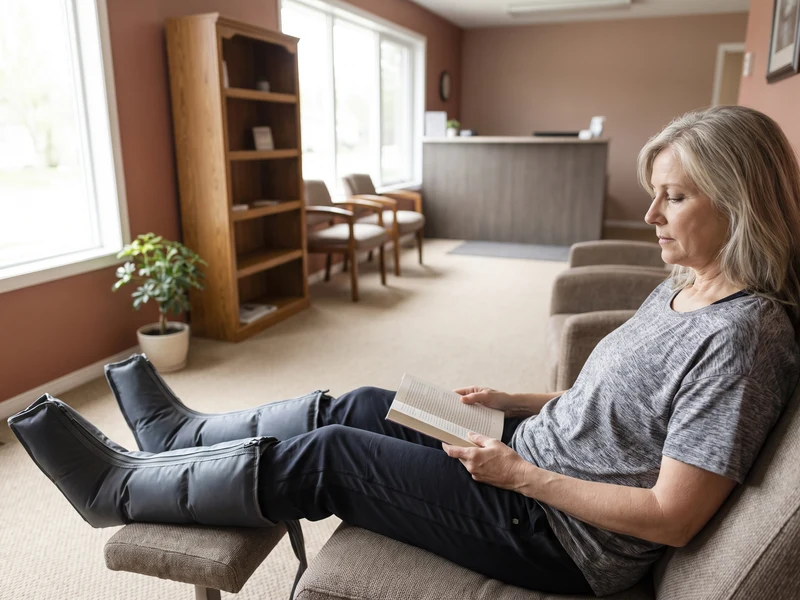
The Honest Truth
Nobody regrets starting too early. Every week, someone in our clinic says they regret waiting.
How We Fix It
Every plan has an endpoint. Here’s what the four phases look like for lymphedema.
Weeks 1–2
Pain
Manual lymphatic drainage and compression bandaging begin reducing fluid buildup from your first visits.
Weeks 2–6
Prime
Skin care, proper compression garment fitting, and safe movement patterns protect the limb while swelling continues to improve.
Weeks 6–10
Perform
You learn the self-management techniques and exercises that keep fluid moving on your own between visits.
Weeks 10+
Prevent
A long-term maintenance plan, including compression wear and home drainage techniques, keeps swelling from creeping back.
Where it starts: swelling that changes how your clothes fit and how your limb feels by the end of the day.
Where the plan is headed: fluid managed, skin protected, and a routine you can keep up on your own.
Questions, Answered
Most insurance plans cover lymphedema treatment, including manual lymphatic drainage and compression fitting, when a physician has diagnosed the condition. We verify your specific benefits before your first visit so there are no surprises.
Many people with lymphedema do need some form of ongoing compression to keep fluid from returning, but the type and how often varies by person and stage. We fit you with what your specific case needs and adjust it as your swelling responds to treatment.
Normal swelling from an injury usually goes down within days as it heals. Lymphedema persists because the lymphatic system itself can’t drain the fluid, so it doesn’t resolve on its own and tends to worsen without treatment specifically aimed at improving drainage.
Book Your Visit
Request a time and a real person calls you back, usually within two business hours. No phone tree. No ‘someone will reach out.’ Just a plan.
4.9 · 197+ Google reviews
Typical response: under 2 business hours
Step 1 of 5
That’s the hard part done. We’ll call during business hours to lock in your time. Most people are on the schedule same week.
Visit Us